


EXCLUSIVE: Andrew Windsor Dealt New Blow as His First Name is Branded 'Toxic' After Baby Poll Result

Andrew Windsor has suffered his latest humiliation.
July 10 2026, Published 7:35 p.m. ET


Andrew Mountbatten-Windsor has been dealt a fresh reputational blow after new figures showed his first name has fallen to its lowest-ever popularity among British parents, underlining what some observers describe as a "toxic" brand effect.
As RadarOnline.com has reported, the former Duke of York, 66, has faced sustained public scrutiny in recent years following his association with pedophile Jeffrey Epstein and the loss of his military roles and royal patronages.
Andrew Windsor Name Hits Record Low

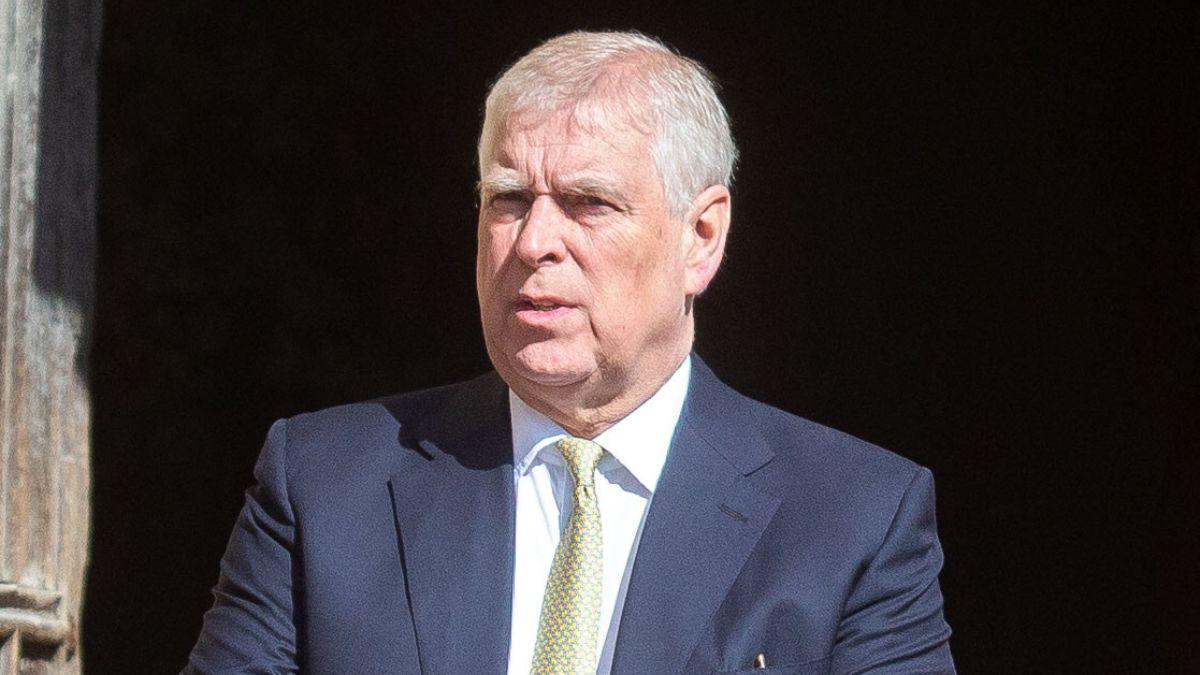
Andrew Mountbatten-Windsor has suffered a fresh reputational blow.
Now, data released by the Office for National Statistics shows only 125 babies were named Andrew in England and Wales in 2025, placing the moniker joint 334th in the rankings alongside Zorawar, Walter and Hussain.
The figures reflect a steep and long-term decline for a name which once ranked among the most popular in Britain during the 1960s, when Mountbatten-Windsor himself was born.
A royal source said: "The name Andrew has become deeply unfashionable, and in some circles is even seen as tainted. Parents are highly sensitive to cultural associations, and this is a clear case where a public figure's controversies have reshaped perceptions of what was once a classic, widely accepted name. It is difficult to separate the name from the baggage it now carries."
The figures mark a dramatic reversal from previous decades.
In 1964, Andrew ranked as the third most popular boys' name in England and Wales, maintaining a place in the top 100 throughout the 1970s and 1980s.
By 1996, when detailed annual tracking began, 2,676 boys were named Andrew, placing it 29th. The latest tally represents a sharp decline over nearly three decades, culminating in its current historic low.
The Impact of Other Notable Royal Names
Only 21 babies received the name Andy over the past year.
The shortened version of the name has fared even worse.
Only 21 babies were named Andy in 2025, the lowest number recorded since 1998, suggesting the broader decline extends across variations of the name.
Other royal-linked names appear to have avoided a similar fate.
William, associated with Prince William, 44, rose two places to 25th, with 1,456 registrations. Charles – widely linked to King Charles remained stable at 119th.
Camilla, the name of Queen Camilla, 79, saw a notable increase, rising to 66 registrations from just four the previous year, indicating renewed acceptance in the wake of her elevated public role.
A data analyst said: "Royal associations can still carry weight, but they are increasingly selective. Names linked to stability or positive public perception tend to hold or even grow in popularity, while those associated with controversy can decline rapidly."
Britain's Top Baby Names Revealed
Olivia retained the most popular girls' name spot for a decade.
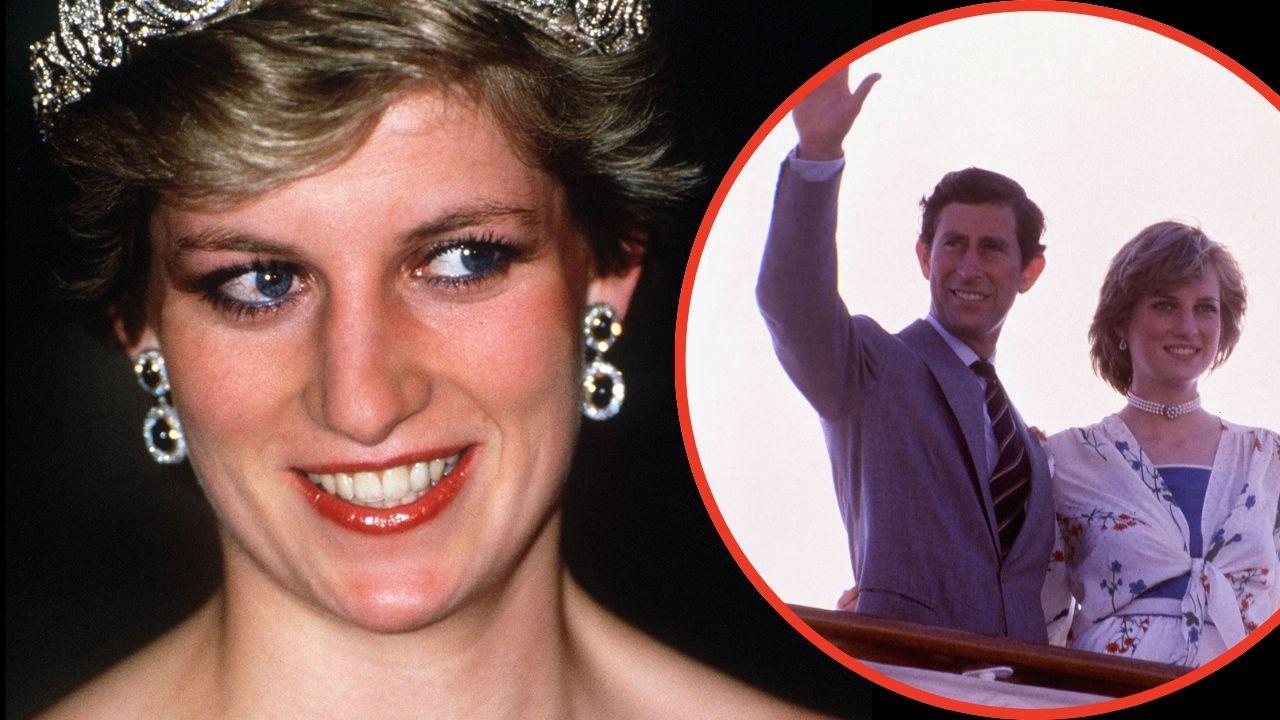
The broader dataset, covering 585,396 live births, highlights shifting cultural preferences across England and Wales.
Muhammad remained the most popular boys' name for the third consecutive year, with 5,957 registrations, ahead of Noah and Leo, which entered the top three.
For girls, Olivia retained the top spot for a 10th consecutive year with 2,386 registrations, followed by Lily and Amelia.
Some names edged toward disappearance.

Never Miss an

Daily updates from the heart of Hollywood, right to your inbox
By entering your email and clicking Sign Up, you’re agreeing to let us send you customized marketing messages about us and our advertising partners. You are also agreeing to our Terms of Service and Privacy Policy.
Eighteen families named their boy Donald despite controversies.
Nigel was recorded just five times, while 18 babies were named Donald, the highest figure since 2015 – despite its association with much-criticized president Donald Trump.
There were no registrations for Beth or Bonnie-Blu, and Keir, the name of the outgoing UK prime minister Keir Starmer, was not recorded for a second consecutive year.
A royal historian said: "Names rise and fall for many reasons, but high-profile associations can accelerate those trends.
"In Andrew's case, the decline reflects not just changing tastes, but a profound shift in how the name is perceived in modern Britain – as totally toxic."
