


Inside Democrat Amy Acton's Family Rift as Her Estranged Mother Appears in Vivek Ramaswamy's Explosive Ad

Vivek Ramaswamy used Amy Acton's estranged mother for his campaign.
Oct. 22 2026, Published 1:50 p.m. ET


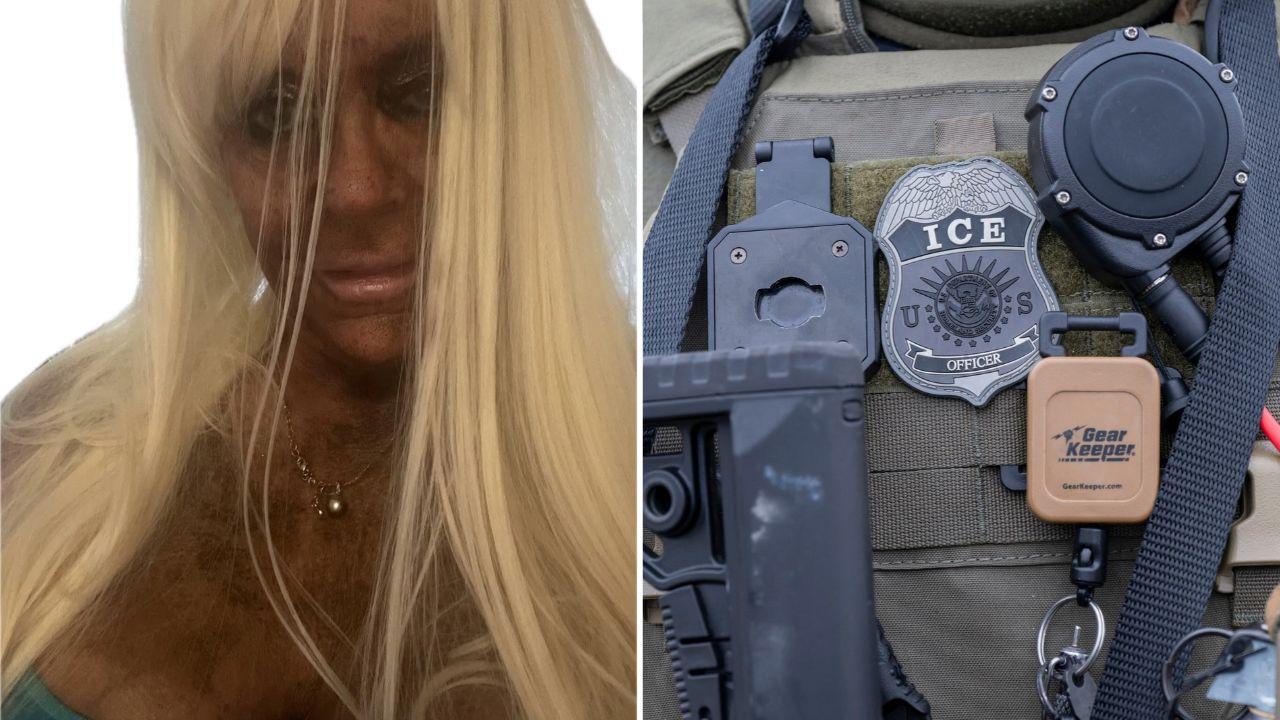
Democratic Ohio gubernatorial candidate Amy Acton is facing a campaign attack that has brought her painful family history into the spotlight. Her estranged mother, Donna Arthur, appears in an advertisement produced by Republican opponent Vivek Ramaswamy's campaign, calling her daughter a liar and urging voters not to elect her governor.
The video began circulating on social media on October 19, 2026, without initially identifying its sponsor. Ramaswamy confirmed the following day that his campaign was responsible and said it planned to spend $4million promoting the ad.
What Did Amy Acton's Mother Say in Vivek Ramaswamy's Ad?

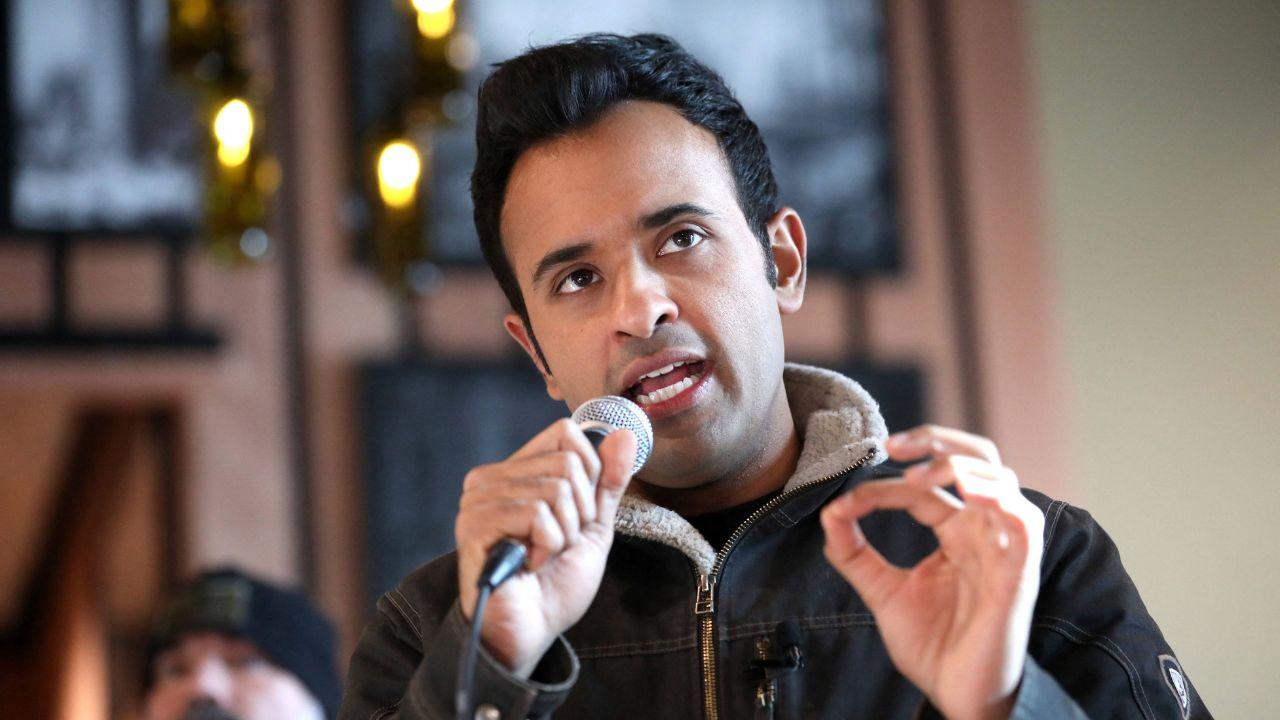
Ramaswamy brought Acton’s past history into the spotlight during his campaign
Arthur directly criticizes her daughter in the video, saying, "She is a liar; she lies about her past." She also questions Acton's ability to serve as governor, telling viewers, "My daughter needs help, and she can't help you if she needs help herself."
The advertisement does not explain the history behind the mother and daughter’s estrangement. Ramaswamy defended the video, telling reporters, "Every person who appears to know her the best … have told voters not to vote for her but to vote for me instead."
His campaign spokesperson, Connie Luck, also issued a statement questioning Acton's credibility. "We don't know what happened between Amy and her mother," Luck said, before describing the Democratic candidate as a "serial fabulist."
Why Have Amy Acton and Her Mother Been Estranged for Decades?
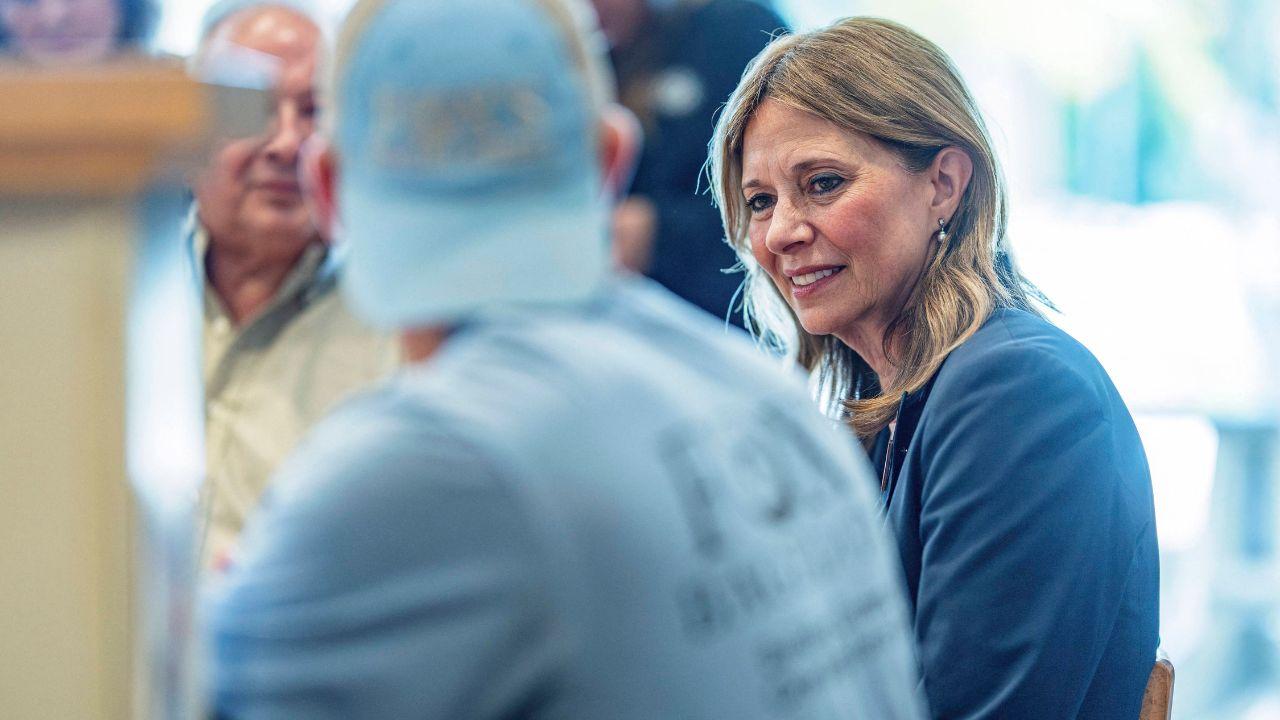
Acton reportedly said that her mother turned her cheek away when she tried to give her a kiss in childhood.
Acton has said she has not seen her mother since she was 12 years old. Their separation dates to 1978, when Acton's stepfather, Cledith Arthur, faced charges connected to the alleged rape of a 12-year-old girl. Acton was born in 1966.
An archived report from The Youngstown Vindicator, cited by ABC News, documented the case. Court records shared by Acton’s campaign indicate that Cledith Arthur pleaded not guilty, later failed to appear in court, and was the subject of an arrest warrant. He died in 2004 without the case going to trial.
Acton has claimed her stepfather sexually abused her during childhood and that her mother failed to protect her. Her brother, Philip Stearns, has supported her account. The allegations were never resolved through a criminal trial.
What Has Amy Acton Said About Her Childhood?
Acton was allegedly sexually abused by her stepfather during her childhood
Acton discussed her childhood in a 2019 interview, describing an unstable home life and abuse. Recalling her last encounter with her mother, she said, "In the courthouse after they were charged, I went to give her a kiss, and she just turned her cheek away."
Acton repeated her criticism of the ad during an October 20 interview with Ohio public radio station WOSU. "It's awful to see her this way,” she said, accusing Ramaswamy of taking advantage of an older woman.
Arthur had disputed her daughter's account in a 2020 interview, showing that their disagreement had become public years before the current campaign.
How Did Amy Acton and Her Brother Respond to the Ad?

Never Miss an

Daily updates from the heart of Hollywood, right to your inbox
By entering your email and clicking Sign Up, you’re agreeing to let us send you customized marketing messages about us and our advertising partners. You are also agreeing to our Terms of Service and Privacy Policy.
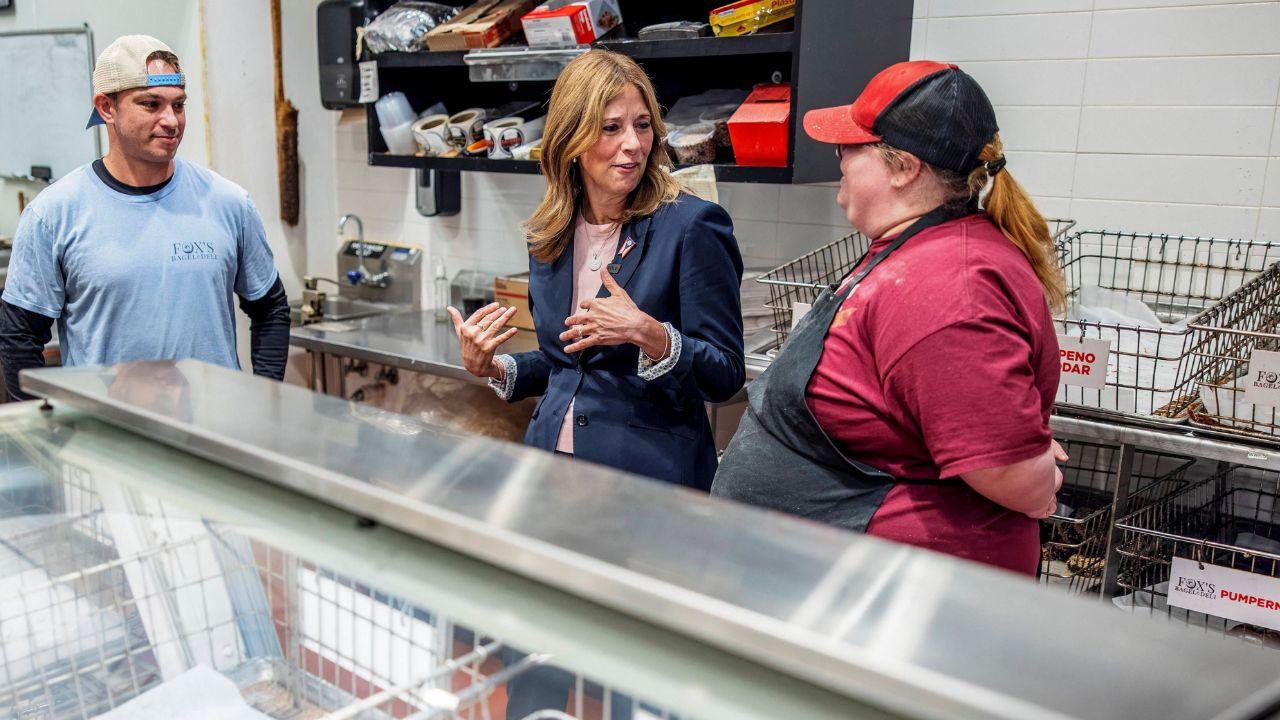
Acton's brother supported her and criticized Vivek
Acton’s campaign condemned the advertisement and released a response video titled "Abuse," featuring Stearns discussing their childhood.
"I received a lot of abuse, but Amy always got the worst of it," Stearns said. "She continued to receive that abuse because she knew she had to protect me."
He also criticized Ramaswamy for turning his sister's childhood experiences into a political issue. The controversy has drawn criticism from both Democrats and some conservatives, while Ramaswamy's campaign has continued to defend the ad.
The dispute has placed a decades-old family estrangement at the center of Ohio’s 2026 governor's race, with the candidates offering sharply different accounts of the advertisement and its purpose.
