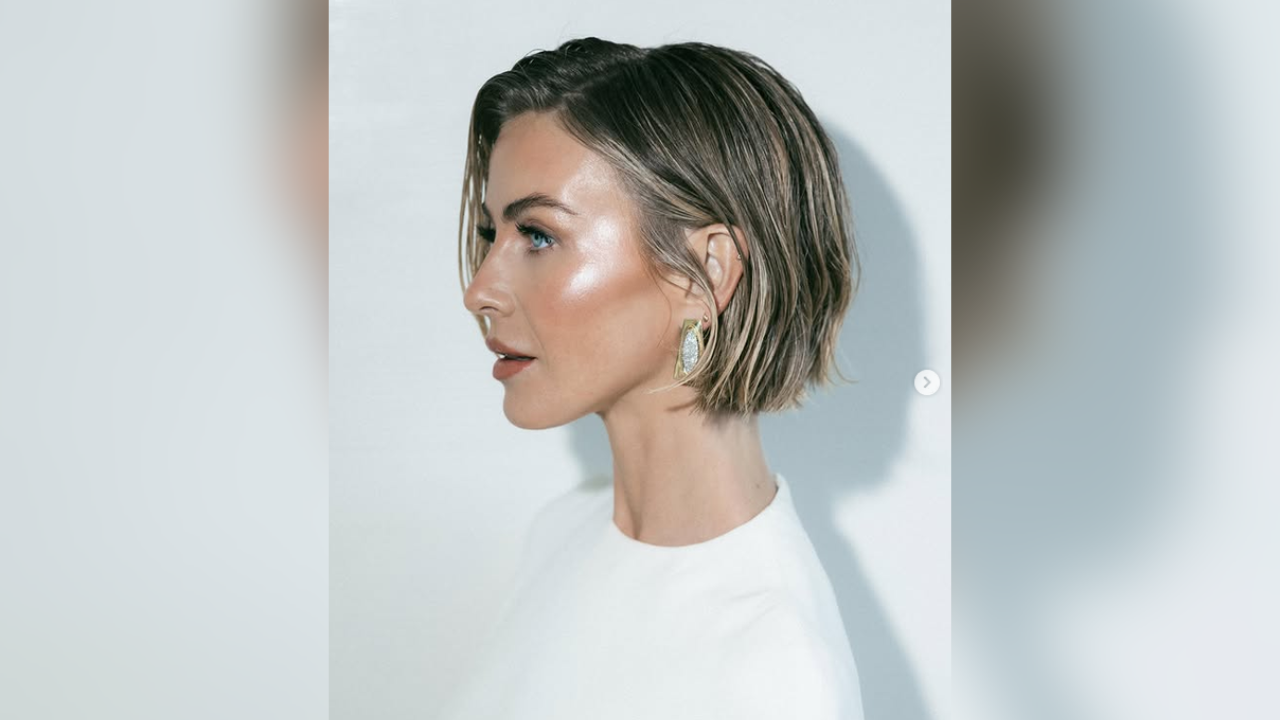
Ximena Saenz on What No One Tells You About Starting Over in a Country That Does Not Know Your Name

June 11 2026, Updated 12:47 p.m. ET


There is a specific kind of loss that does not have a clean word in English. In Spanish, some call it desarraigo; uprooting. It is what happens when you leave not just a place but an entire version of yourself behind. Your social language. Your routines. The people who knew you before you had to explain yourself. For young women who immigrate to the United States during adolescence, that loss tends to arrive at the worst possible moment: right when identity is most fragile, and community is most necessary.
Ximena Saenz knows this loss by name.

She came to the United States from Mexico as a teenager, at an age when the architecture of a young woman’s confidence is still very much under construction. The competitive sports that had structured her days, from gymnastics to swimming to soccer, were no longer accessible in the same way. The social world she had navigated with fluency was replaced by one with entirely different rules. Depression followed. So did the particular pressure of watching peers move easily through spaces that still felt foreign.
She has not framed any of this as victimhood. That framing would be inaccurate. What Saenz has described instead is a period of genuine difficulty that eventually forced a kind of clarity most people spend decades trying to find. The pandemic, for all the disruption it caused, gave her the distance to hear herself think. She stepped back from the noise, from attachments that were not serving her, and returned to the values her upbringing had given her: structure, faith, responsibility, long-term thinking over short-term comfort.
What came next is the part her nearly one million Instagram followers are more familiar with. The content career, the brand partnerships, the platform presence that now spans TikTok, Snapchat, YouTube, and X. But the woman behind that presence was shaped well before any of it existed, by years of athletic discipline, by a mother who raised her alone and raised her with intention, and by the specific education that comes from having to rebuild your life in a language that was not your first.
Reinvention is a word that gets used loosely in wellness culture. It tends to imply a kind of voluntary transformation, a pivot made from a position of comfort and choice. What Saenz experienced was something harder and more instructive than that. She did not reinvent herself so much as she excavated herself, finding under the displacement and the depression the same person who had shown up to gymnastics practice regardless of how she felt, who had competed and trained and kept going not for applause but because stopping was simply not in her vocabulary.
That is the version of reinvention no career coach puts in a system. The kind that happens when you have no other option but to remember who you actually are.

Never Miss an

Daily updates from the heart of Hollywood, right to your inbox
By entering your email and clicking Sign Up, you’re agreeing to let us send you customized marketing messages about us and our advertising partners. You are also agreeing to our Terms of Service and Privacy Policy.