


Why Are Medical Alert Devices Important for Senior Safety?

March 31 2026, Updated 2:42 p.m. ET


Even daily routines can be suddenly disrupted when an accidental fall or unexpected health issue occurs. In the case of many seniors, even minor tasks such as walking to another room or going to the bathroom can cause severe consequences when one does not get assistance on time.
Phones can be out of reach, and in case of an emergency, it is not always possible to call and get help. This uncertainty is something that can build up constant anxiety on the part of the seniors and their families, particularly where independent living matters a lot.
That said, medical alert devices can assist in bridging this gap in safety because they offer emergency support directly at any time. They are designed in a way that they can respond swiftly without disrupting everyday life.
This article discusses the purpose of medical alert devices in senior safety and the way they assist in risk reduction and promote independence.
1. Fast Emergency Response When Seconds Matter Most

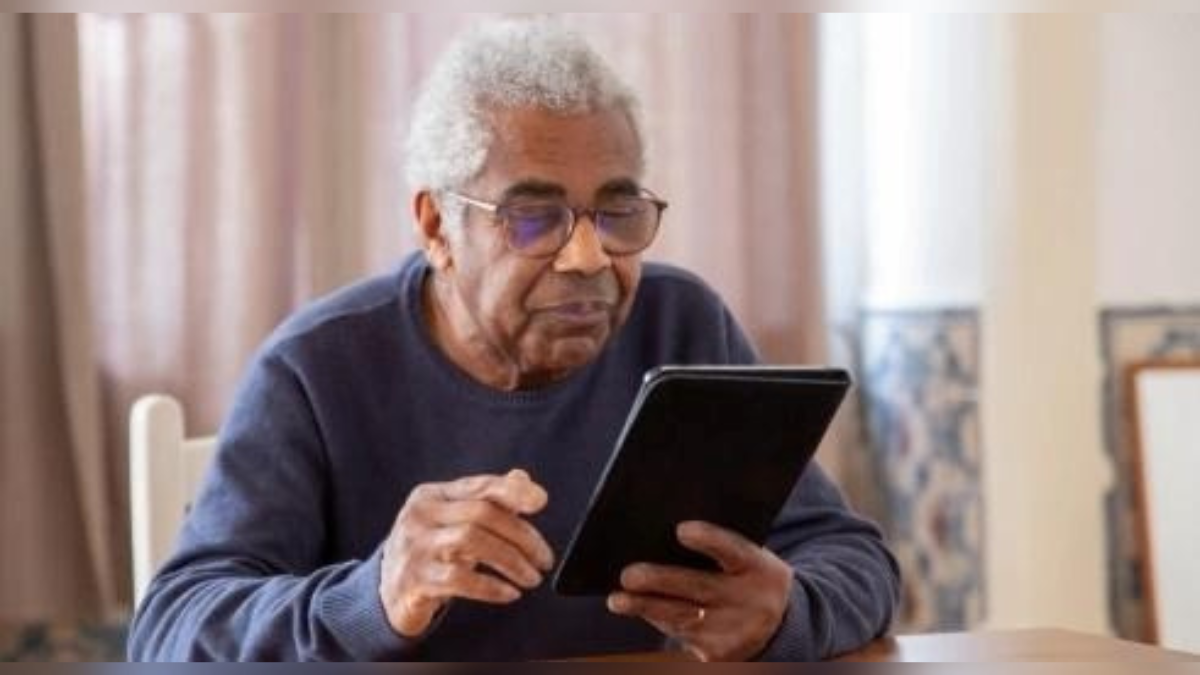
Emergencies do not always give prior warning, and the response time is the important factor in most cases. Medical alert systems enable the elderly to seek assistance by pressing a few buttons.
This close linkage minimizes time wastage that usually occurs during the process of seeking a phone or calling several contacts. For example, medical alert systems like those offered by Life Assure, alert signals that allow users to be linked to trained response professionals who can assess the situation in seconds and provide relevant help via an encrypted monitoring network.
Since the devices can be worn all day long, support is available during daily activities such as taking a bath or sleeping. This unlimited access is important because most falls occur in areas where immediate help is not nearby.
Consequently, rapid emergency response reduces the chances of complications and contributes to faster recovery.
2. Automatic Fall Detection Adding Extra Safety Layer
Manual alerts are useful in most instances, but not all emergencies permit the use of a button. A sudden fall can result in confusion, injury, or unconsciousness.
Automatic fall detection technology solves this problem by detecting movement patterns that are related to severe falls. In case of such an event, the device sends an alert without user action.
This feature is needed when a senior has balance problems or a medical condition that compromises awareness. Also, automatic detection is round the clock, so one can feel safe even when sleeping or during quiet hours.
Together with human supervision, automatic detection fosters a reliable safety system that helps to ensure protection even in those cases when the user is not able to ask for help actively.
3. Clear Two-Way Communication During Stressful Moments

In emergencies, communication is usually difficult because of confusion and fear. Medical alert devices also have two-way voice communication, through which direct conversation with response staff can be done through the device itself.
This removes the necessity to search for a phone or to speak loudly across a room. During the process of arranging help, responders can ask clear questions, understand the situation, and guide the user through the next steps.
Physical symptoms are also aggravated by panic, which can be alleviated through a calm, supportive voice. Moreover, responders can reach family members or emergency services based on the details of the conversation.
The presence of alert features and communication in a single device allows seniors to be guided and reassured in times when clarity is most important.
4. Daily Confidence and Reduced Family Worry
Independence is often restricted because of safety issues rather than the physiological level. The elderly might not participate in any activity because they fear falling or not being able to access assistance.
Medical alert devices are beneficial in restoring confidence because they provide effective backup without necessarily being under supervision. This assistance promotes the continued movement, socialization, and everyday autonomy.
Meanwhile, family members feel relieved because they know the safety system remains active even in their absence. Families can devote time to real bonding instead of constant check-ins as a result of worrying.
Thus, medical alert devices not only enhance physical safety but also provide a balance between independence and care.
5. Round-Clock Monitoring Without Gaps in Protection
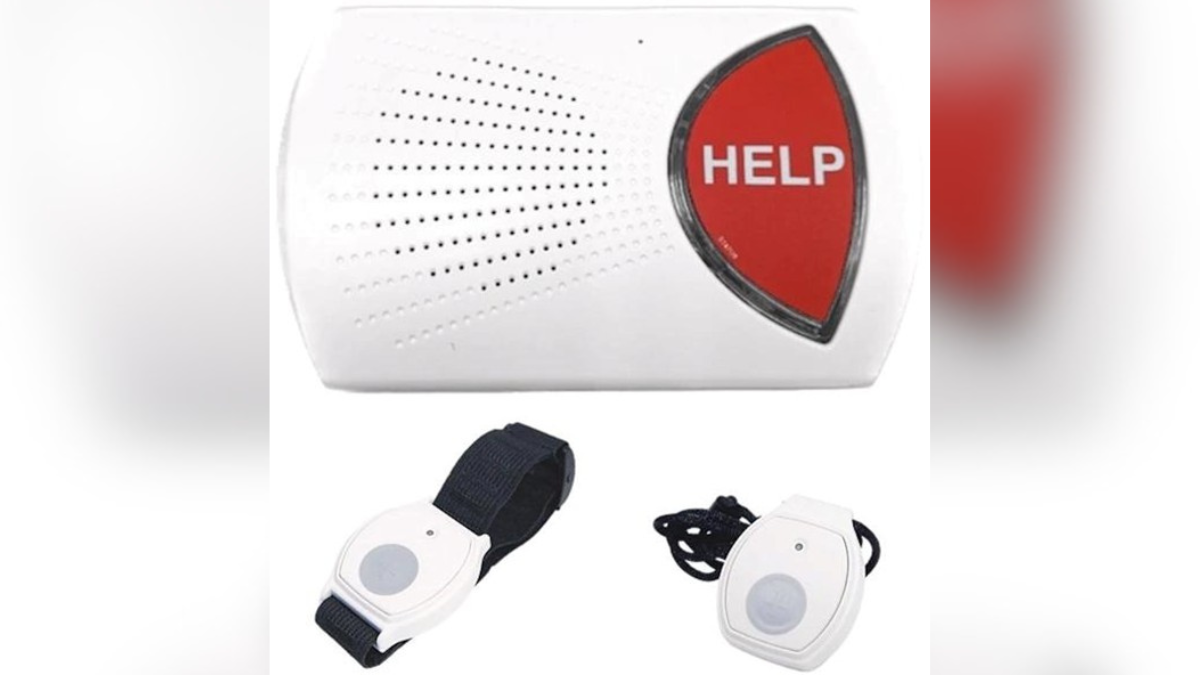
Emergencies do not follow schedules, and safety systems must operate without interruption. Medical alert services provide continuous monitoring day and night, including weekends and holidays.
This constant availability ensures alerts never go unanswered, regardless of time. For seniors living alone, this feature becomes especially important because delays often occur during late hours.
Monitoring centers maintain trained staff ready to coordinate emergency services or contact trusted individuals immediately. As a result, round-clock monitoring strengthens the overall safety framework and prevents small incidents from becoming severe emergencies.


6. Simple Design Supporting Independent Living

Never Miss an

Daily updates from the heart of Hollywood, right to your inbox
By entering your email and clicking Sign Up, you’re agreeing to let us send you customized marketing messages about us and our advertising partners. You are also agreeing to our Terms of Service and Privacy Policy.
Complex technology often discourages consistent use, especially for older adults. Medical alert devices focus on simplicity, offering easy-to-wear designs with minimal steps required for operation.
Lightweight pendants or wristbands remain comfortable during daily activities and rest periods. Clear buttons and long battery life reduce maintenance concerns.
Because devices require little interaction beyond emergency use, seniors are more likely to wear them consistently. Consistent use directly improves safety effectiveness.
By blending protection into everyday life without disruption, medical alert devices support aging with confidence rather than restriction.
Conclusion
Medical alert devices play a critical role in senior safety by bridging the gap between independence and immediate assistance. Through fast emergency response, automatic fall detection, clear communication, continuous monitoring, and simple design, these systems reduce serious risks associated with aging.
They support physical protection while also easing emotional strain for seniors and families alike. Instead of limiting daily activity, medical alert devices empower users to live confidently with reliable support always within reach.
Choosing safety does not mean giving up independence; it means strengthening it with dependable protection that works quietly in the background until needed.
