


Unearthing the Truth: Barry Billcliff's Eye-Opening Encounter at Göbekli Tepe

Feb. 24 2026, Updated 1:56 p.m. ET


When pilot and adventurer Barry Billcliff arrived in southeastern Turkey last November, he expected to uncover history. However, he didn't expect to question how it was being told. Billcliff, whose globe-trotting exploits have pushed the boundaries of danger and endurance, visited Göbekli Tepe, an archaeological wonder believed to be the world's oldest temple. What he found, however, led him to raise concerns about how the ancient site is being presented to the world.
Billcliff is no stranger to bold pursuits. His zeal for exploration has led him to the Great Pyramid of Giza, to the Galapagos Islands, where he made a significant discovery of his own, and to the Sydney Opera House. In Turkey, that curiosity took a turn toward the investigative when what was meant to be a personal learning experience evolved into a deeper inquiry into ongoing work at one of archaeology’s most significant sites.
An Explorer's Perspective

Göbekli Tepe, located in Şanlıurfa Province, Turkey, has captivated scholars for decades. Estimated to be more than 11,000 years old, the site’s massive stone pillars and intricate carvings have challenged long-established timelines of human civilization. Archaeologists widely describe it as a ceremonial complex built by hunter-gatherer societies—a claim Billcliff began to question after viewing the site firsthand.
During his private tour of the excavation and museum where artifacts are exhibited, Billcliff engaged with local archaeologists and government representatives. He learned of the site’s rediscovery in the 1990s, when a local farmer uncovered a small statue while tilling his land. That casual find spiraled into one of the largest prehistoric excavations in modern history. Today, it attracts researchers, spiritual seekers, and tourists alike.
But according to Billcliff, not everything on display matched the accounts he had studied before visiting. From photos and videos he captured, he claims to have observed active construction using modern mortar and newly placed stones that resemble ancient ruins.
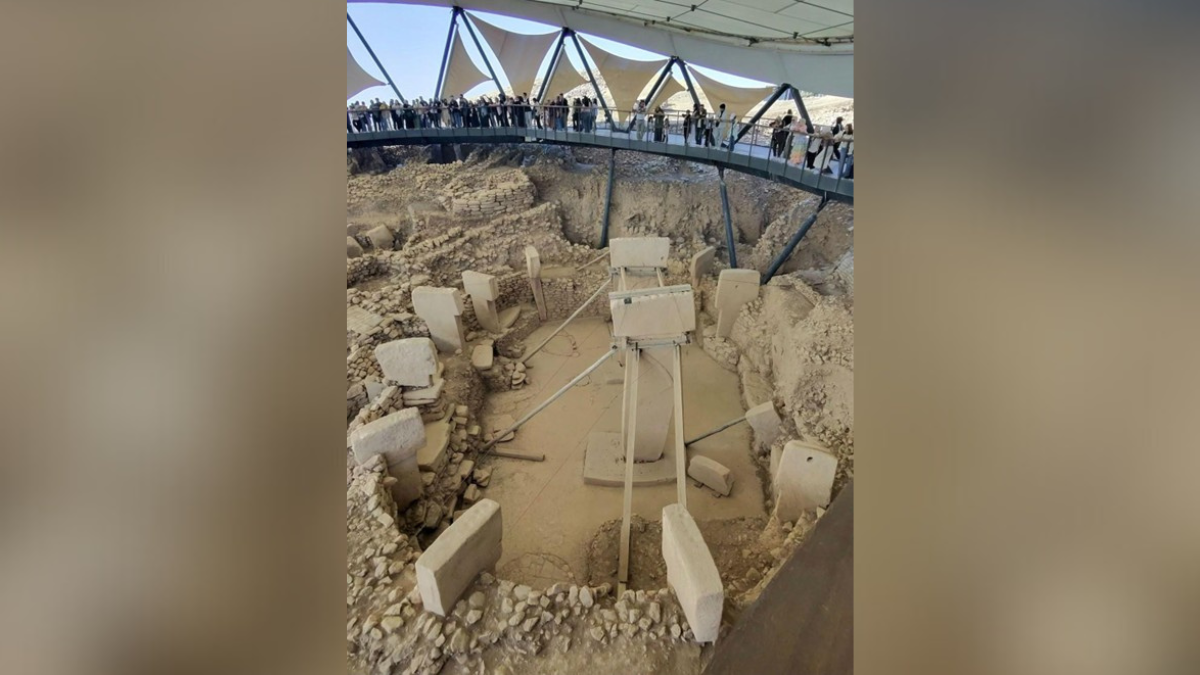
Current construction on Göbekli Tepe, currently building new walls
"It looked like brand-new rockwork,” he shares, describing what appeared to be restoration or reconstruction efforts taking place within the site. "I actually raised the question of why the city would've been buried in the first place. It took much more effort to bury the city than it did to create the city in the first place."
Reexamining Ancient Intentions
One of Billcliff’s central observations came from the Göbekli Tepe’s layout. Conventional research defines the site as a temple for rituals, but Billcliff believes the structures may have served a more domestic purpose. Standing before the massive T-shaped pillars, he noted visible channels carved into the floors—once interpreted as blood drains.
"When you look closely, these are more consistent with water drainage systems, possibly for kitchens or homes,” he adds.
If accurate, his interpretation could shift prevailing views about early human settlement. Instead of a purely spiritual sanctuary, Göbekli Tepe might represent one of the world’s earliest permanent communities; evidence that civilization began through domestic life, not worship alone.
Billcliff also drew attention to what he describes as signs of advanced stonework. On one of the largest megaliths, a panther carving appears seamlessly bonded to the pillar itself. He argues that this fusion could only have occurred after the structure was set in place, suggesting a form of early "stone welding."
While traditional archaeologists have yet to acknowledge such a method, Billcliff’s observation raises new technical questions about prehistoric construction techniques.
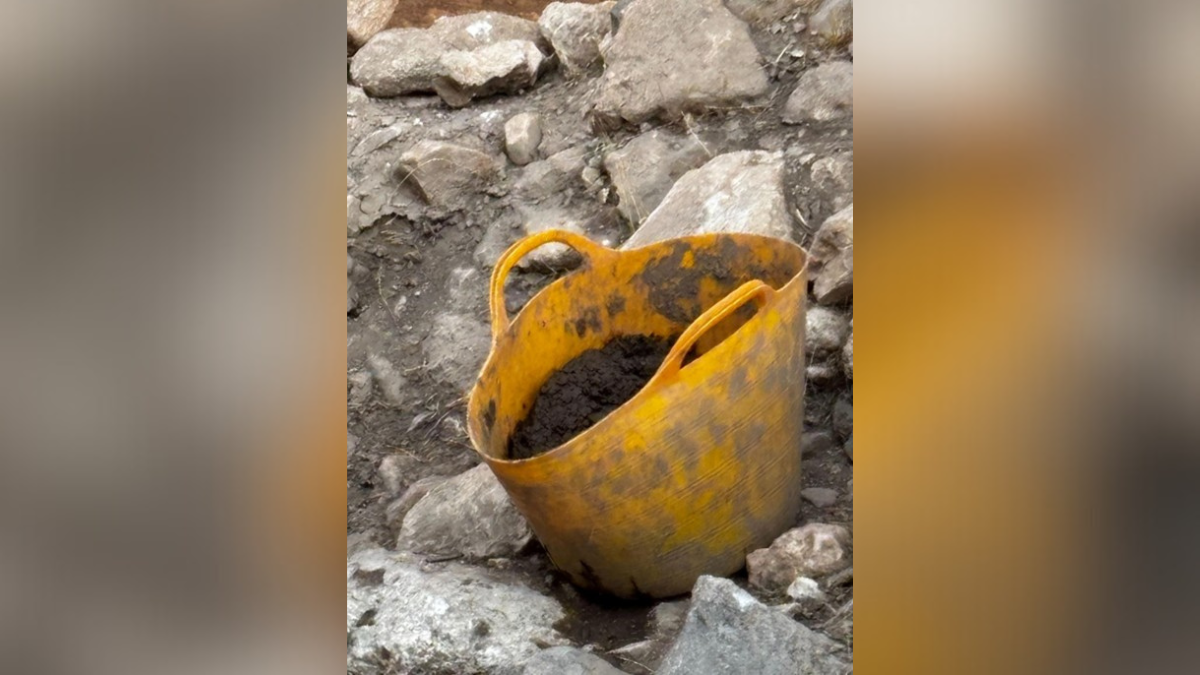
Image of a panther carved and mounted to the side of the giant pillar and welded permanently to look like one solid rock.
Between History and Tourism
Further fueling Billcliff’s curiosity were the candid remarks he said he received from local officials. They allegedly expressed ambitions to make Göbekli Tepe not only a heritage site but a major tourist hub, emphasizing its mystical and religious allure to attract visitors and funding.
According to Billcliff, the government’s growing involvement has shifted the focus from exploration to presentation. "It seemed their goal was not just preservation; it was production, almost like staging history for the audience," Billcliff argues.
He also learned the Turkish government eventually purchased the land from its original owners, centralizing control of the excavation. The move, while common for heritage protection, reinforced his perception that bureaucracy now guided the project’s narrative as much as science did.
A Path to More Discovery

Never Miss an

Daily updates from the heart of Hollywood, right to your inbox
By entering your email and clicking Sign Up, you’re agreeing to let us send you customized marketing messages about us and our advertising partners. You are also agreeing to our Terms of Service and Privacy Policy.

Billcliff's firsthand experience in Göbekli Tepe highlights an enduring question about field archaeology: how much of what global audiences see is ancient truth – and how much is modern restoration or interpretation? Göbekli Tepe’s international fame has made it a symbol of early civilization, but as with all ancient sites shaped by contemporary stewardship, its authenticity will always rest upon a delicate balance of preservation, reconstruction, and storytelling.
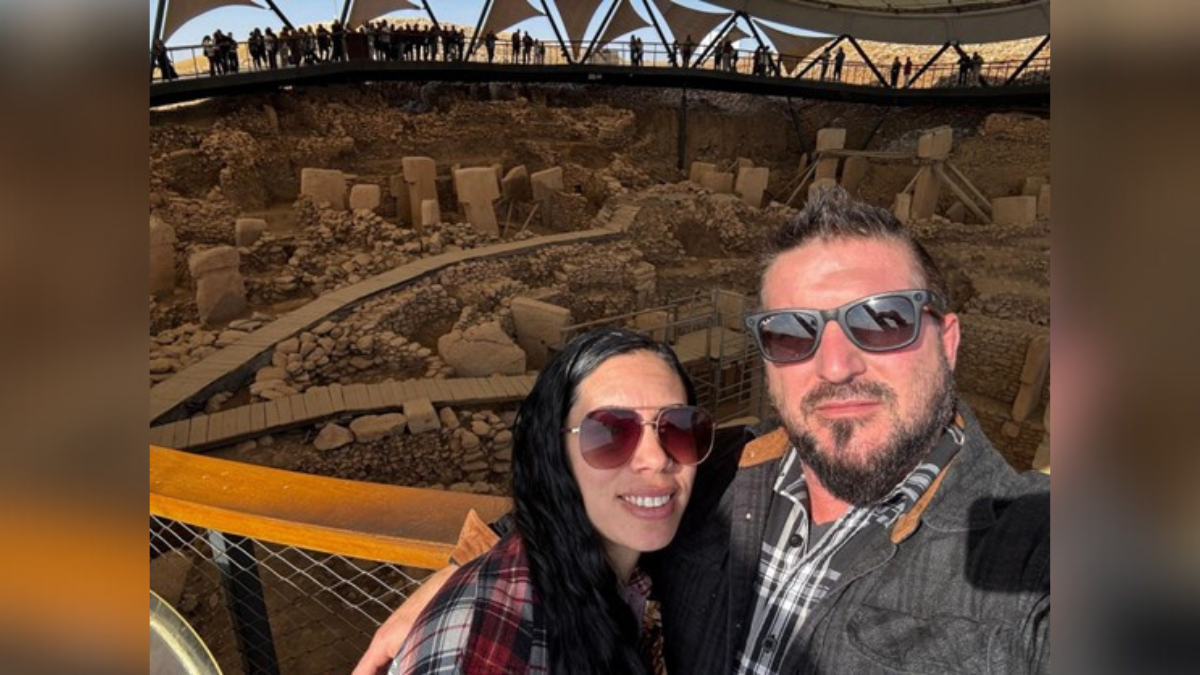
Barry Billcliff arrived in southeastern Turkey to uncover history.
Billcliff's findings, photos, and videos remain part of his personal archive for now. Until then, his journey through Turkey's archaeological layers invites reflection not only on what people can unearth, but also on how societies choose to frame what they find.
