


EXCLUSIVE: Nicole Kidman Lashed Over 'Glamorizing' Female Abuse in 'Nightmarishly Graphic' New Crime Drama

Nicole Kidman's new show 'Scarpetta' has led to plenty of backlash.
March 15 2026, Published 6:00 p.m. ET


Nicole Kidman is facing criticism over her new crime drama, Scarpetta, after viewers and commentators accused the series of "glamorizing" violence against women through what critics describe as "nightmarishly graphic" scenes depicting murdered female victims, RadarOnline.com can reveal.
The Oscar-winner, 59, stars in the new Prime Video series, an adaptation of the bestselling novels by crime writer Patricia Cornwell.

Kidman’s new crime drama 'Scarpetta' has sparked controversy.

It follows forensic pathologist Dr. Kay Scarpetta, a medical examiner investigating a serial killer whose victims are women.
The eight-episode drama blends two timelines, with Kidman portraying the character in the present day while British actor Rosy McEwen plays a younger version of Scarpetta in scenes set in 1998.
The series also features Jamie Lee Curtis, Bobby Cannavale, Simon Baker, and Jake Cannavale.
The Prime Video show is based on Patricia Cornwell’s bestselling novels.
Graphic Crime Scene Imagery Sparks Debate
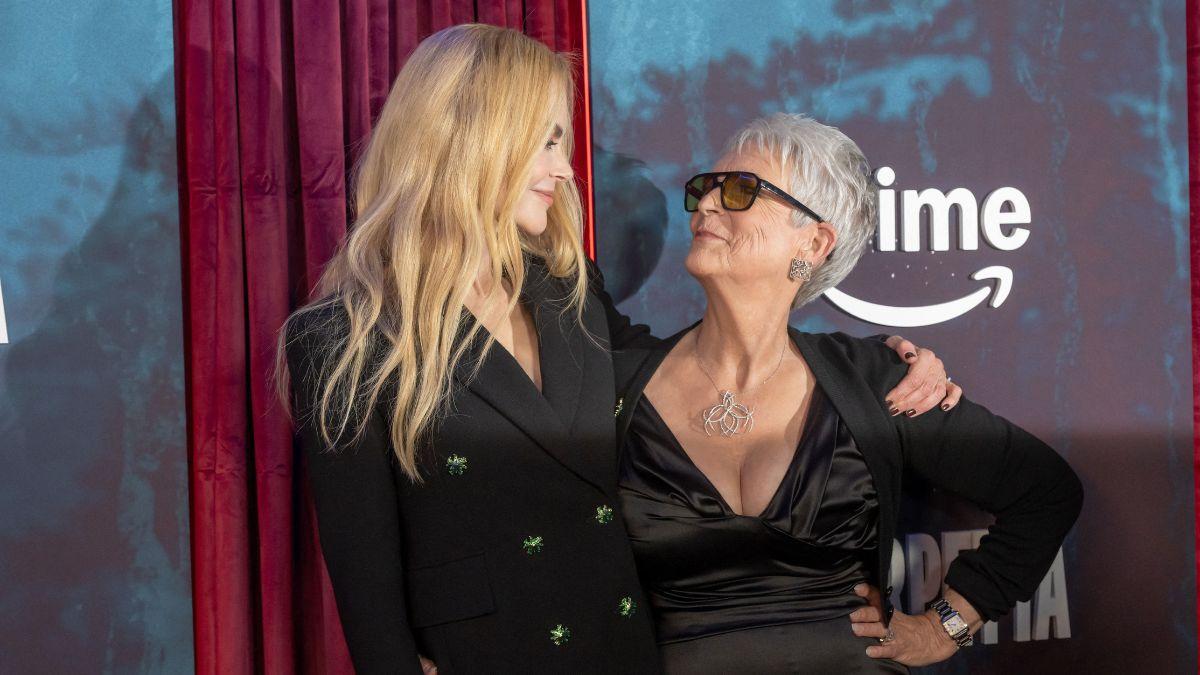
Jamie Lee Curtis also stars in the series as sister Dorothy.
Aside from the starry cast, the production has drawn attention for its stark depiction of murder victims. Scenes in the show repeatedly return to images of naked female bodies at crime scenes and on autopsy tables, along with flashbacks depicting the victims' final moments before being killed.
Critics said the imagery risks crossing a line.
One streaming industry source said the show reflects a broader trend in crime television that centers on violence against women as spectacle.
The insider added: "There has been growing criticism of crime dramas that linger on brutalized female bodies, and Scarpetta fits squarely into that conversation, just like Jack the Ripper tours end up fetishizing killers and their 'work.'"
'Scarpetta Fetishizes Violence Against Women'
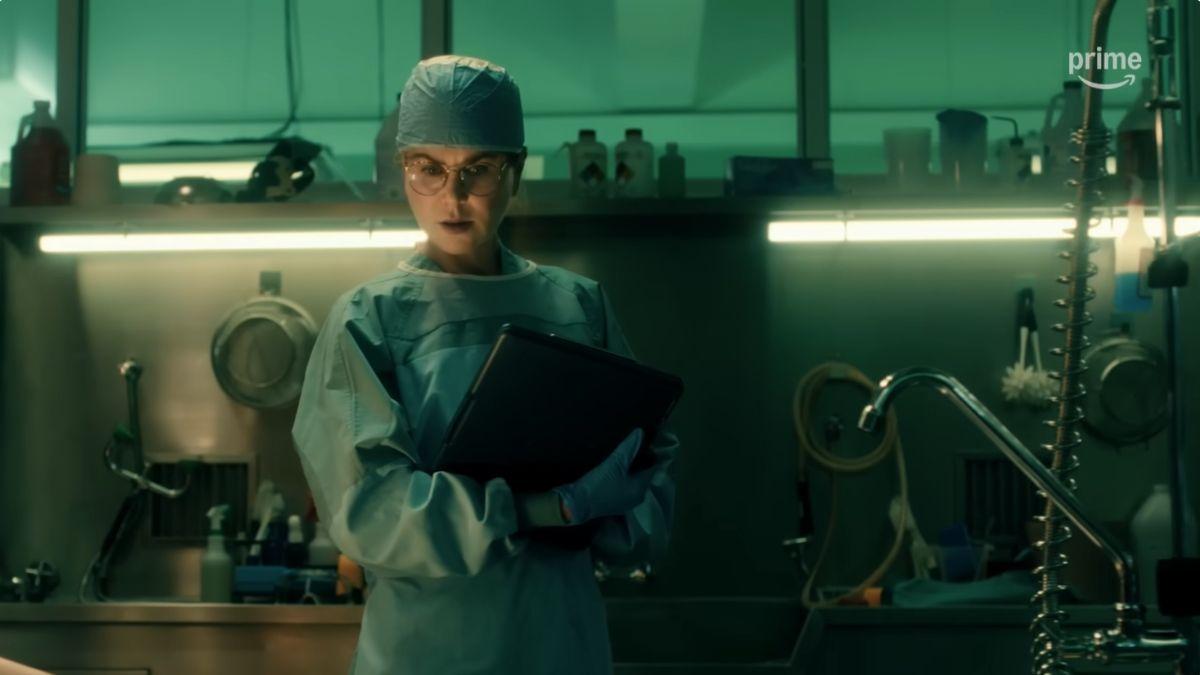
Critics have argued the imagery risks glamorizing violence against women.
Another source said the way the series depicts victims has troubled some viewers.
The insider added, "People are questioning whether repeatedly showing mutilated women in such graphic detail crosses into glamorizing the violence rather than examining it. For some audiences, it feels exploitative."
A third observer said the debate echoes earlier controversies surrounding other crime dramas.
The source said: "There has long been criticism that the genre fetishizes violence against women, the camera lingers on victims’ bodies and turns their suffering into visual drama. Some viewers think Scarpetta pushes that approach even further."
Prestige Cast Adds To Scrutiny Of Series

Never Miss an

Daily updates from the heart of Hollywood, right to your inbox
By entering your email and clicking Sign Up, you’re agreeing to let us send you customized marketing messages about us and our advertising partners. You are also agreeing to our Terms of Service and Privacy Policy.
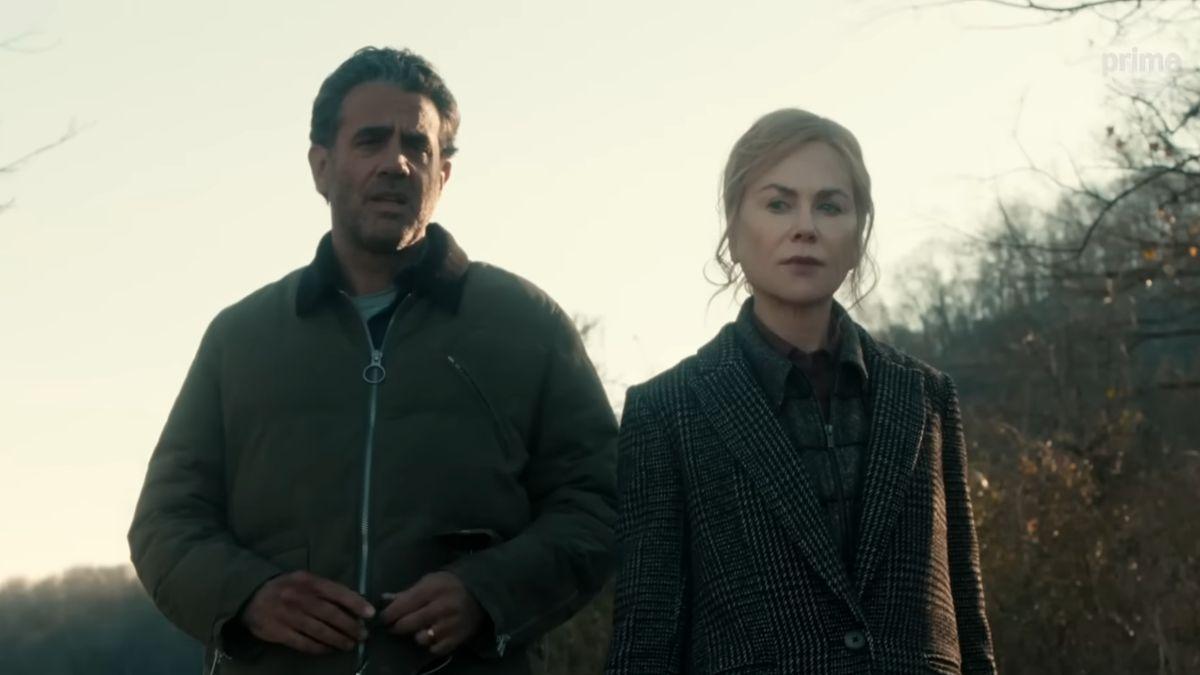
Supporters said the show stays faithful to Cornwell’s novels.
The criticism has been particularly pointed because of the prestige cast and scale of the production.
Kidman, known for roles in films including The Hours and TV series Big Little Lies, plays the older version of Scarpetta returning to her job as chief medical examiner decades after a traumatic case early in her career.
The series intertwines the murder investigation with the character’s personal life. In addition to the case involving a serial killer, the story explores Scarpetta’s complicated family relationships.
Curtis plays Dorothy, Scarpetta’s outspoken sister, while Cannavale portrays colleague Pete Marino.
The narrative also follows Scarpetta’s niece Lucy, who is depicted coping with grief after the death of her wife by communicating with an artificial-intelligence recreation of her partner.
The show’s creators said the series aims to remain faithful to Cornwell’s novels, which have sold millions of copies worldwide since the first book in the series, Postmortem, was published in 1990.
Cornwell makes a cameo appearance in the opening episode and has expressed enthusiasm about seeing the character finally brought to television.
However, commentators said translating the novels’ forensic descriptions directly to the screen is proving controversial.
One television critic said the series highlights a recurring tension within the genre.
They said: "Details that feel clinical or investigative when you read them in a book can take on a completely different tone once they are shown on screen in explicit detail."
The critic added the repeated visual focus on victims’ bodies can alter how audiences interpret the story.
They said: "When a camera repeatedly returns to close-ups of murdered women or lingers on the aftermath of violence, some viewers begin to feel that the line between storytelling and spectacle becomes blurred.
"What might have been intended as a grim depiction of crime can end up feeling like the suffering itself has become part of the visual drama."
