


EXCLUSIVE: Millions Face Higher Medicare Drug Premiums Under Donald Trump Plan

President Trump is ready to end a subsidy program from the Biden era.
July 30 2026, Published 12:52 p.m. ET


Donald Trump's administration is preparing to end a Biden-era subsidy program which has helped keep Medicare prescription drug premiums lower for millions of older Americans, raising the prospect many beneficiaries could face higher monthly costs next year as they choose coverage during the annual enrolment period.
RadarOnline.com can reveal the decision, announced by the Centers for Medicare & Medicaid Services (CMS), will phase out billions of dollars in federal payments which supported insurers offering Medicare Part D drug plans in 2025 and 2026.
Dr. Mehmet Oz Defends Decision

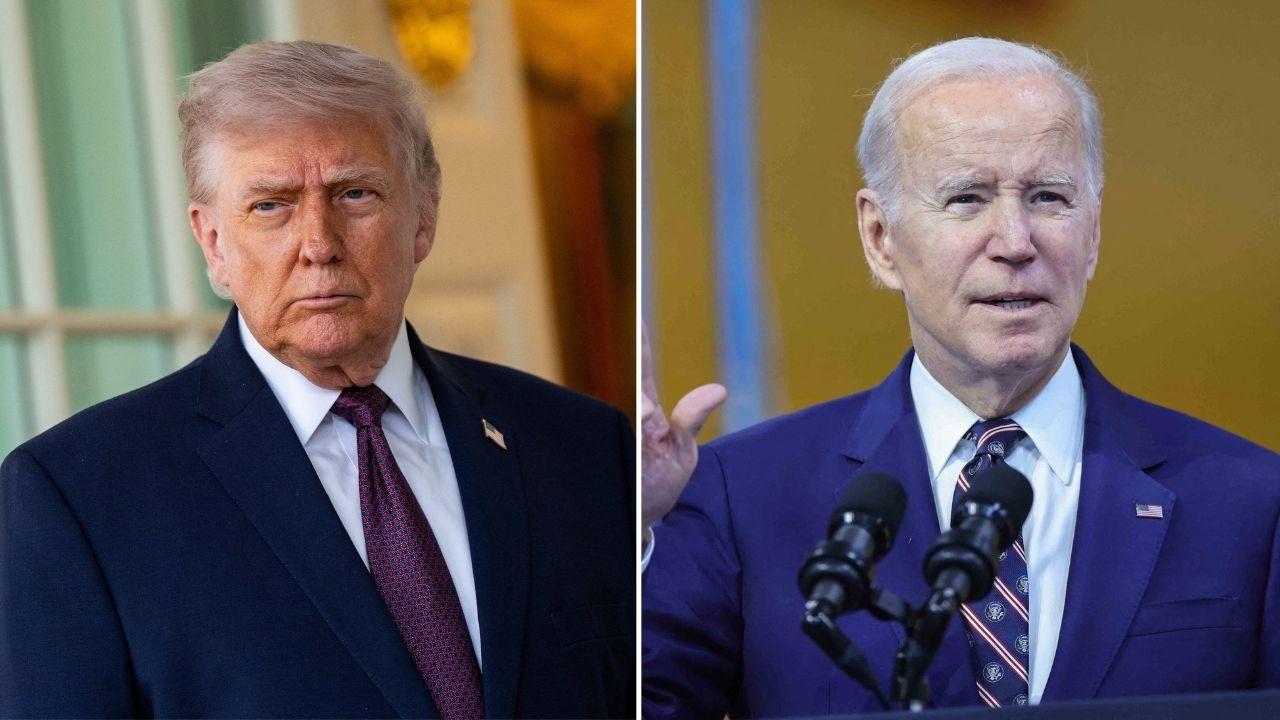
The Trump administration will phase out a Biden-era Medicare subsidy program.
The subsidies were introduced by former President Biden's administration to cushion the impact of changes brought in under the Inflation Reduction Act. While officials insist many seniors will still have access to affordable plans, the move has prompted warnings that some Americans aged 65 and older could pay significantly more for prescription coverage ahead of next year's midterm elections.
A source claimed: "The temporary subsidy achieved its purpose, and insurers are now expected to manage premiums without extraordinary federal support. Beneficiaries will continue to have access to affordable choices, but shoppers should review their options carefully this fall."
Dr. Mehmet Oz, administrator of the Centers for Medicare & Medicaid Services, defended the decision in a social media post, arguing insurers no longer required the additional funding.
He said: "Premiums will go up by less than $10 for most Medicare recipients, with many even seeing LOWER premiums."
Oz also criticized the previous administration's approach, saying: "The Biden administration's policy was unacceptable because it gave BILLIONS of taxpayer money DIRECTLY to Big Insurance Companies."
Seniors Face Uncertainty

Millions of older Americans could face higher monthly prescription drug costs.
It remains unclear how many Medicare beneficiaries will ultimately pay higher premiums or exactly how much those increases will be.
Costs vary widely between plans, and beneficiaries will have the opportunity to compare and switch coverage during this fall's enrollment period.
CMS said detailed premium information for individual plans is expected to be released in September.
Around 25 million Americans receive prescription drug coverage through stand-alone Medicare Part D plans, paying an average monthly premium of about $36, according to the nonprofit health research organization KFF.
Another 31 million beneficiaries receive drug coverage through Medicare Advantage plans, the privately administered alternative to traditional Medicare.
Political Battle Grows
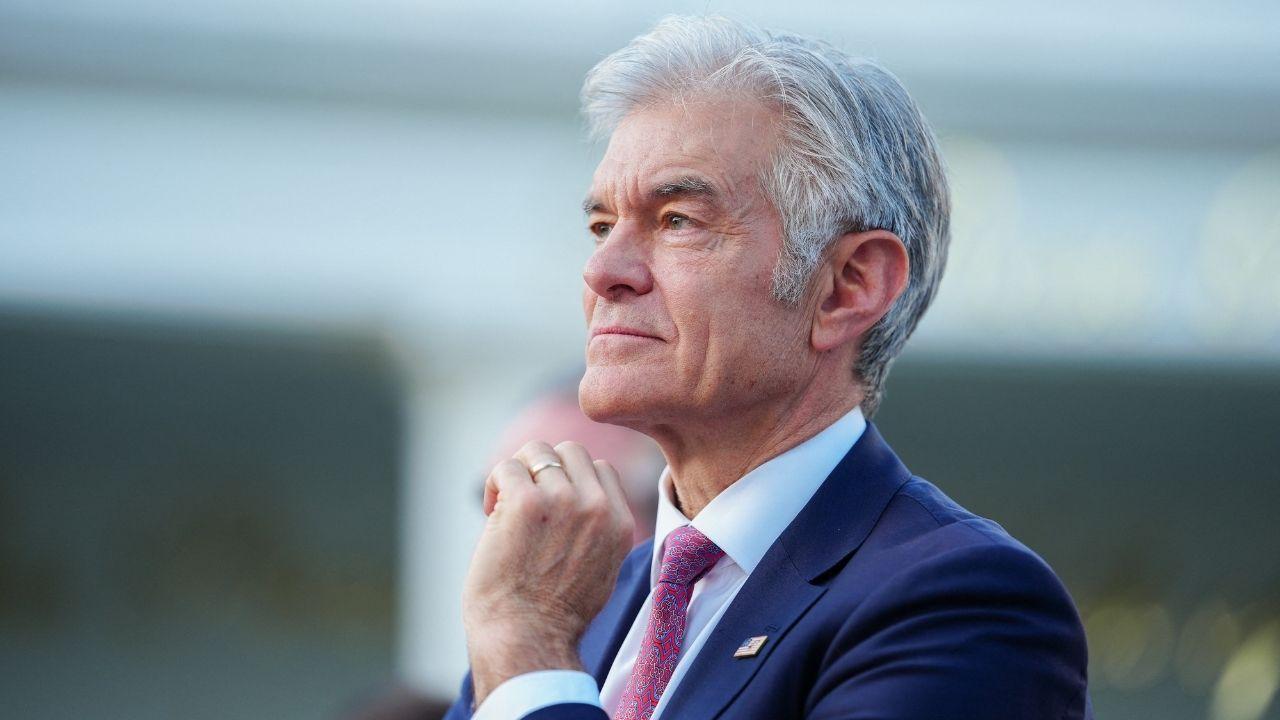
Dr. Mehmet Oz defended ending the federal insurance subsidies.
The subsidy program was created before the 2024 presidential election, following the Inflation Reduction Act's introduction of sweeping Medicare reforms, including a cap on annual out-of-pocket prescription drug spending.
Democrats passed the legislation in 2022 without Republican support, while Republicans argued that the temporary subsidies were politically motivated and merely delayed inevitable premium increases rather than addressing underlying cost pressures.
The administration's latest decision does not affect the annual cap on prescription drug spending, which stood at $2,100 this year and could rise to about $2,400 next year.
For months, Trump, 80, has highlighted efforts to reduce the prices of weight-loss drugs and other medicines, arguing those measures would deliver meaningful savings for Americans.
Critics Push Back

Never Miss an

Daily updates from the heart of Hollywood, right to your inbox
By entering your email and clicking Sign Up, you’re agreeing to let us send you customized marketing messages about us and our advertising partners. You are also agreeing to our Terms of Service and Privacy Policy.
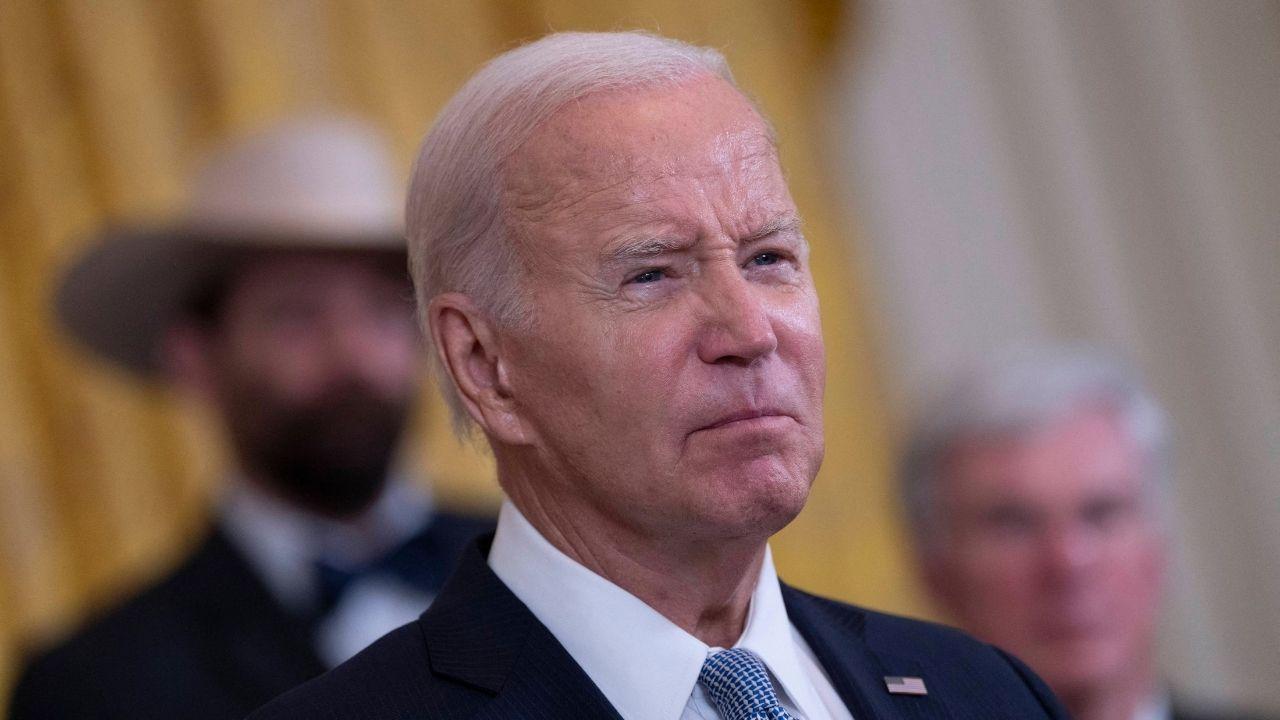
Democratic leaders criticized the move for making healthcare costly.
Democrats swiftly condemned the new announcement.
Kendall Witmer, a spokesperson for the Democratic National Committee, said: "Trump and Republicans are doing everything they can to make health care unaffordable for Americans, especially for seniors."
Leslie Dach, chair of Protect Our Care, added the administration was "eliminating a key program that helps seniors afford their medications."
Chris Bond, a spokesperson for the insurer trade group AHIP, said: "At a time of sharply rising prescription drug costs, health plans are focused on keeping Part D coverage and benefits as affordable as possible."
