


EXCLUSIVE: Why Kim Novak, 93, Found Solace in Painting After Walking Away From Hollywood

Kim Novak reveals she has found solace in painting after walking away from Hollywood.
Aug. 21 2026, Published 3:28 p.m. ET


Kim Novak found solace with a paintbrush after walking away from Hollywood at the height of her fame – and Radaronline.com can reveal she has now described art as the greatest fulfilment of her life and a form of liberation that finally allowed her to express herself on her own terms.
Alfred Hitchcock muse Novak, 93, became one of Hollywood's defining stars after signing with Columbia Pictures at 21 and appearing in Picnic, The Man with the Golden Arm and Hitchcock's Vertigo.
Kim Novak Reclaims Creative Freedom In Fine Art

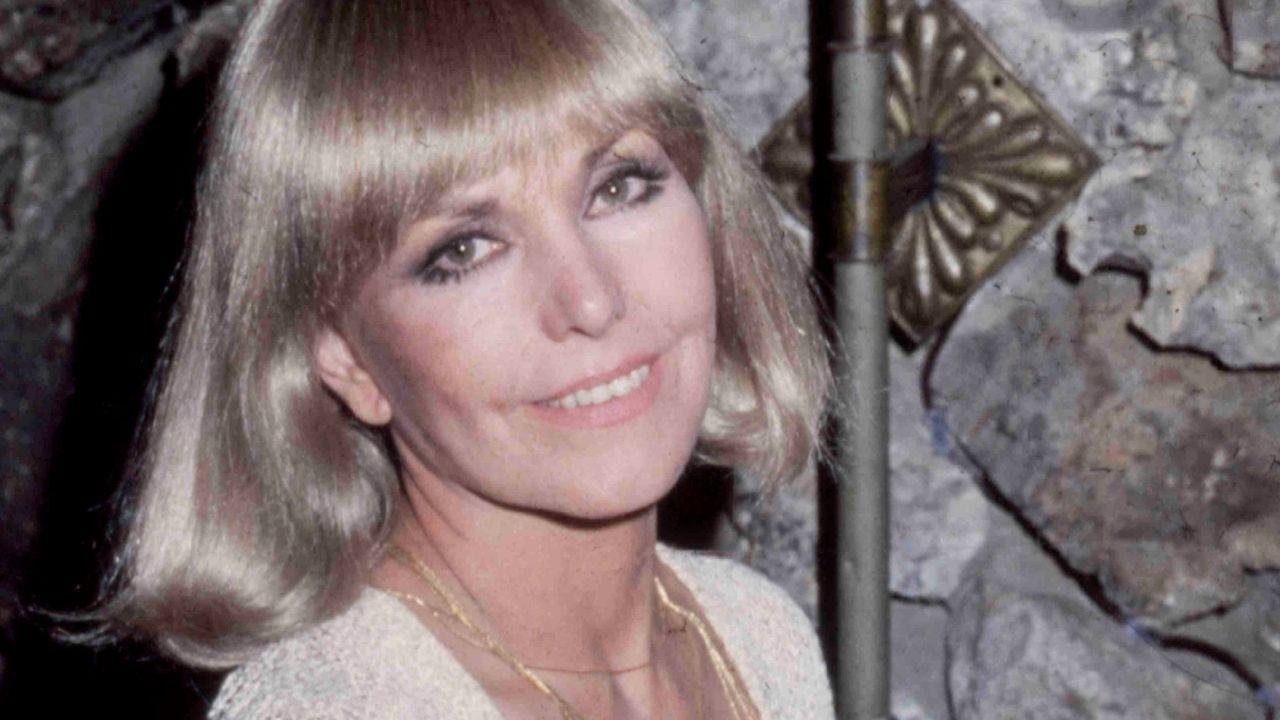
Kim Novak walked away from Hollywood at the height of her stardom.
But by the late 1960s, frustrated with the roles she was being offered and uncomfortable with the machinery of fame, she largely abandoned acting and moved to Big Sur after mudslides destroyed her Bel Air home.
Painting and poetry increasingly replaced movies, we can reveal.
When asked in a new interview about the greatest fulfilment in her life, Novak said: "Without question, being able to paint, being able to express myself. It is such a luxury, and it's something that if more people could do it, they would find in their lives feeling more fulfilled."
For Novak, painting offered something Hollywood increasingly could not – complete creative control and the freedom to follow her own instincts without having to inhabit characters she did not believe in.
She added in her chat with The Age: "There is no comparison. Because when you're painting, you're the director, the producer, and the actor. You're everything. And it's me listening to my voice, listening to my interpretation. I didn't respond well to (badly written roles) because I needed to believe it in order to be it. And in my art, I'm able to."
The Heavy Burden Of Becoming A Hitchcock Icon
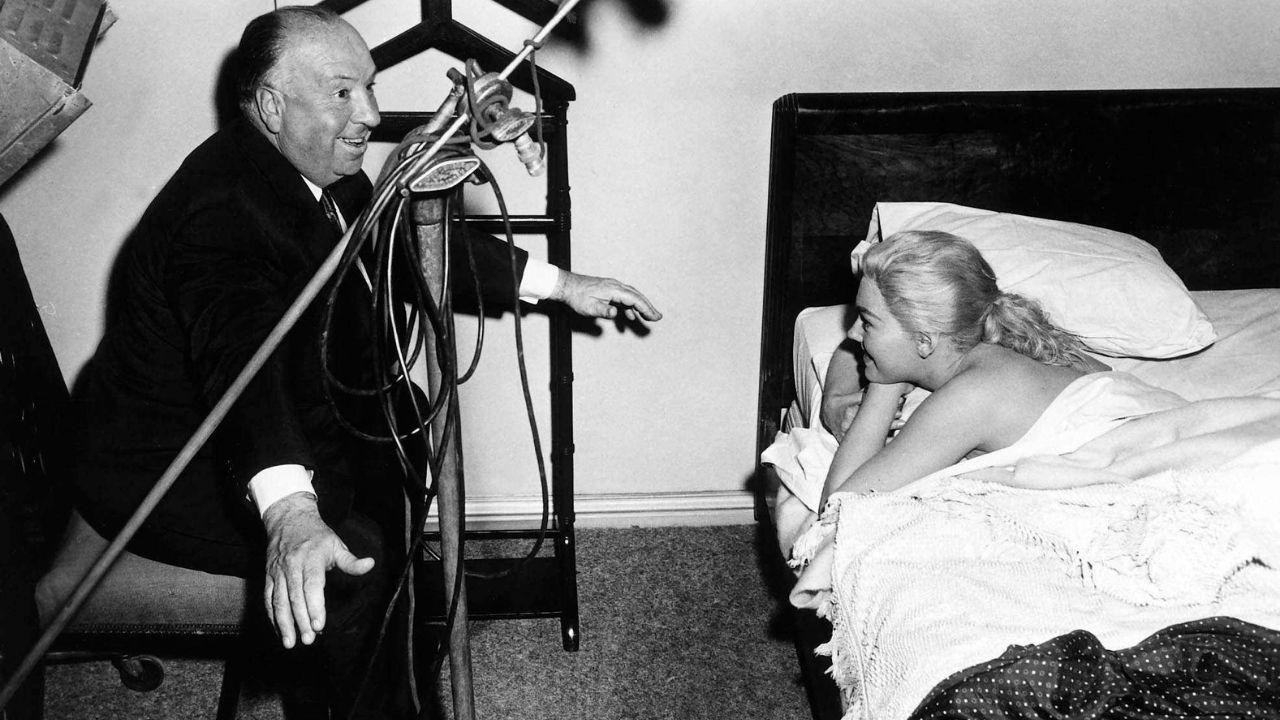
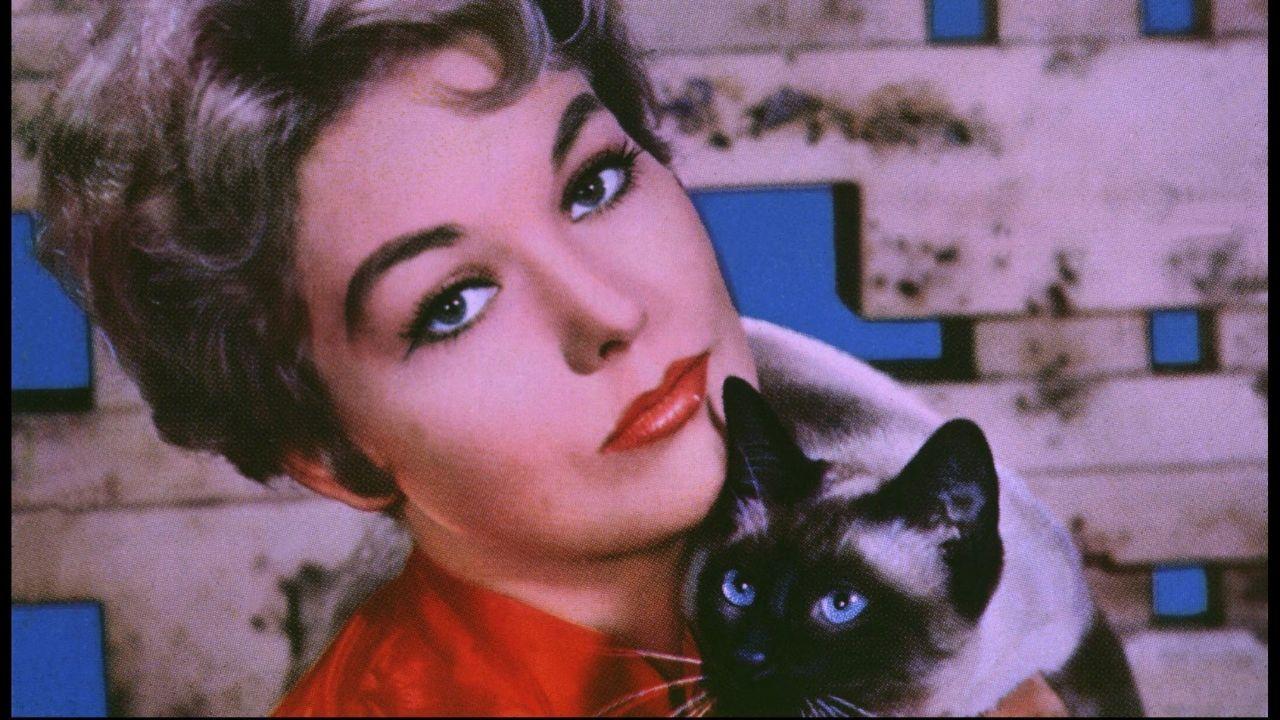
Novak played dual lead roles in Alfred Hitchcock's classic film 'Vertigo.'
That independence became increasingly important after Vertigo transformed Novak into an international star in 1958.
Playing both Madeleine Elster and Judy Barton opposite James Stewart, Novak became inseparable in the public imagination from Hitchcock's meticulously constructed blonde heroine.
Novak said acting required her to psychologically inhabit her characters rather than simply perform them.
She added: "For me, for most actors, they're pretending to be someone else (but) for me, I had to always become that person. I didn't have the background of pretending, of learning how to pretend. I instead completely got into the person I was playing."
Rejecting Flawed Scripts For Authentic Expression
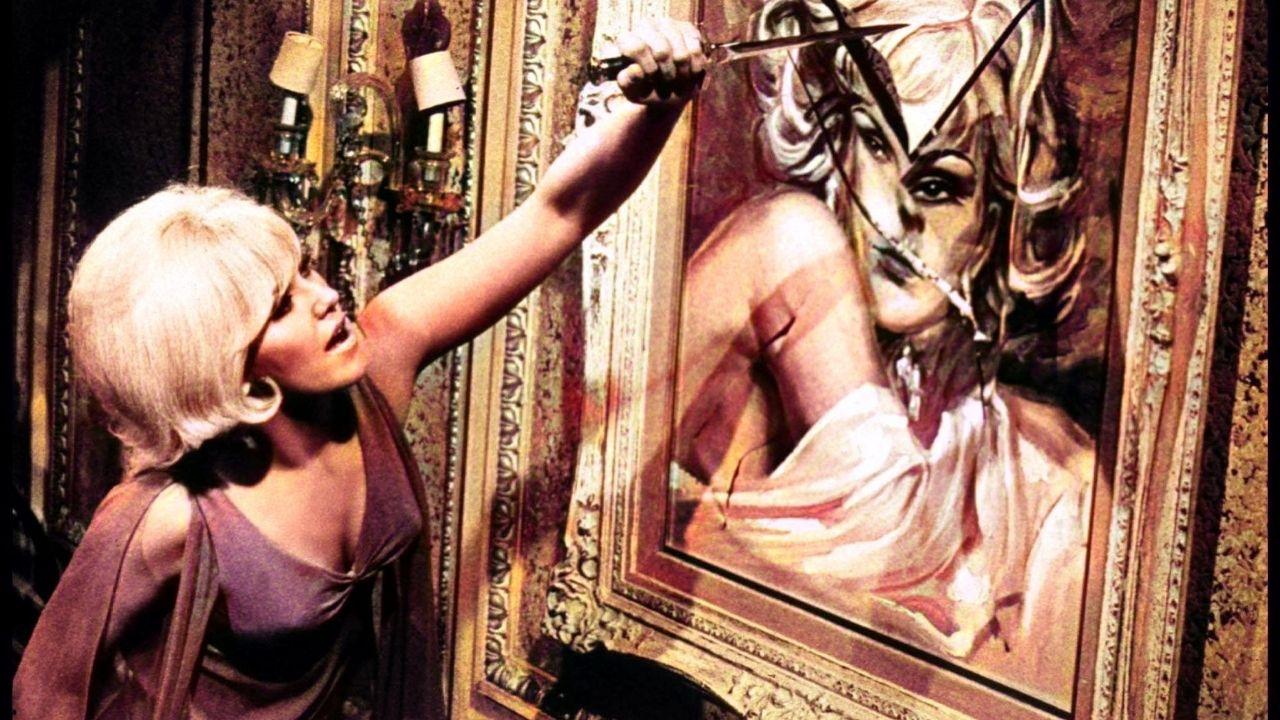
Painting gave Novak complete artistic control as her own creative director.
Strong scripts made that process natural, but poor material proved considerably harder.
Novak said: "There were roles that were not very good. They didn't make sense, they weren't real, they didn't connect. So, I was particularly bad, I think, on scripts that were not worthwhile. I couldn't make them (work.)
"I couldn't make myself feel like I was that person because it wasn't a real person. I had a hard time with that."
Although Novak subsequently appeared sporadically in projects including Tales That Witness Madness, The Mirror Crack'd and Falcon Crest, painting became the enduring creative force in her life.
A Renaissance Beyond The Golden Age

Never Miss an

Daily updates from the heart of Hollywood, right to your inbox
By entering your email and clicking Sign Up, you’re agreeing to let us send you customized marketing messages about us and our advertising partners. You are also agreeing to our Terms of Service and Privacy Policy.
A new documentary titled Kim Novak's Vertigo premiered at the festival.
She now lives on a remote farm in the Pacific Northwest and returned to the spotlight in 2025 to receive the Golden Lion for Lifetime Achievement at the Venice Film Festival, where the documentary Kim Novak's Vertigo premiered.
For Novak, leaving the movie business ultimately became as important as entering it.
She said: "When I got liberated from Hollywood. Oh my gosh, it was like being reborn. It was like a chance to really discover who I really was and what mattered to me, what I believed."
Novak added: "I needed to find out how worthy I was. I needed to be authentic, I needed to be real. And I have had the most incredible, beautiful life."
