


Isabelle Boemeke, Gen Z, and the New Nuclear Anxiety

May 26 2026, Updated 2:20 p.m. ET


For Gen Z, nuclear fear does not live in history books. It lives in timelines. It appears between TikTok edits, livestreamed wars, climate doomposts, and clips from Chernobyl – the HBO drama that transformed reactor failure into one of the defining visual nightmares of streaming culture. Unlike previous generations, Gen Z did not inherit nuclear anxiety through Cold War drills or classroom lectures. They inherited it through algorithms.
And somehow, in the middle of that endless feed of catastrophe and information overload, one of the most unlikely internet archetypes emerged: the nuclear influencer. At the center of this strange but increasingly important movement is Isabelle Boemeke, better known online as Isodope. Through futuristic fashion, fast-paced explainers, memes, and social media videos, Boemeke has become the internet’s most recognizable advocate for nuclear literacy. Her rise says something profound about the modern world: younger audiences increasingly trust creators to explain existential technological risks faster – and often more effectively – than the institutions managing them.

The Generation Raised on System Failure
Gen Z grew up watching institutions struggle in real time. Financial crashes. Climate instability. Pandemics. Cyberattacks. Infrastructure failures. Wars streamed directly onto phones. Every crisis arrives instantly, often before officials fully understand what is happening themselves. So when the Zaporizhzhia Nuclear Power Plant repeatedly appeared in headlines amid shelling, drone incidents, and power disruptions, younger audiences processed it differently than previous generations might have. The fear spread online immediately. Videos showing smoke near Europe’s largest nuclear plant circulated across TikTok and X within minutes. Comment sections filled with references to Chernobyl, fears of radiation, and speculation about catastrophic scenarios. The atmosphere felt less like traditional news coverage and more like collective digital panic unfolding in real time.
And yet, while institutions issued cautious statements filled with technical language and delayed clarification, creators like Boemeke began translating the situation almost instantly for online audiences. She explained reactor shutdowns. Cooling systems. Backup generators. Radiation misconceptions. The actual difference between a military attack near a facility and a reactor catastrophe itself. That distinction mattered because modern fear moves faster than official communication.
The situation surrounding Zaporizhzhia revealed something unsettling about the modern nuclear era: peaceful civilian energy infrastructure is no longer insulated from global instability. Nuclear plants were designed for safety against engineering failures and natural disasters. But the 2020s introduced a different kind of threat landscape – one shaped by drones, cyberwarfare, infrastructure sabotage, disinformation, and asymmetric conflict.
That reality became even clearer after reports connected to attacks near the Barakah Nuclear Power Plant in the UAE. Although the facility’s systems remained stable and no radiation leak occurred, the symbolism was powerful. The UAE’s nuclear program represents modern peaceful nuclear ambition: clean energy, technological advancement, and long-term infrastructure investment. Yet even highly advanced civilian nuclear projects now exist inside an unpredictable geopolitical environment where conflict can rapidly intersect with critical infrastructure.
For Gen Z audiences, this does not feel abstract. They understand intuitively that the danger is not only meltdown scenarios. The danger is fragility itself – the idea that societies increasingly depend on systems vulnerable to disruption, panic, misinformation, and technological escalation.
Why Nuclear Influencers Matter
That is why creators like Isabelle Boemeke resonate so strongly online. She does not communicate like an institution. She communicates like someone who understands how people actually experience fear on the internet. Traditional organizations often speak in delayed press briefings and carefully controlled language designed to avoid public panic. But younger audiences encounter crises through viral clips, fragmented headlines, screenshots, reaction videos, and algorithmic amplification long before official messaging catches up.
Boemeke operates directly inside that chaos. Her content blends aesthetics, internet fluency, and science communication in a way that makes nuclear literacy feel culturally accessible rather than intimidating. One moment, she references science fiction imagery; the next, she is explaining radiation measurements or reactor safety systems to millions of followers who may never read a technical report in their lives. That role has become increasingly important because nuclear conversations online are often dominated by extremes: either apocalyptic fear or blind techno-optimism. Boemeke instead represents something rarer – informed curiosity.
Gen Z Understands the Stakes
What makes this generational shift fascinating is that Gen Z often appears more emotionally realistic about nuclear risk than the institutions speaking to them. Older public narratives frequently framed nuclear energy in binaries: either an unstoppable clean-energy miracle or a civilization-ending danger. Gen Z tends to see something more complicated. They understand nuclear technology as an immensely powerful infrastructure that requires competence, transparency, and constant vigilance. They are deeply aware that modern reactors provide enormous energy potential, but they also understand that even non-catastrophic incidents near facilities can destabilize public trust globally.
Zaporizhzhia and Barakah reinforced that understanding. Neither situation became a nuclear disaster. But both exposed how quickly peaceful nuclear infrastructure can become entangled in conflict, panic, and digital misinformation. And in both cases, younger audiences often turned to online creators for explanation before they turned to institutions. That shift may be one of the defining communication changes of the modern nuclear era.
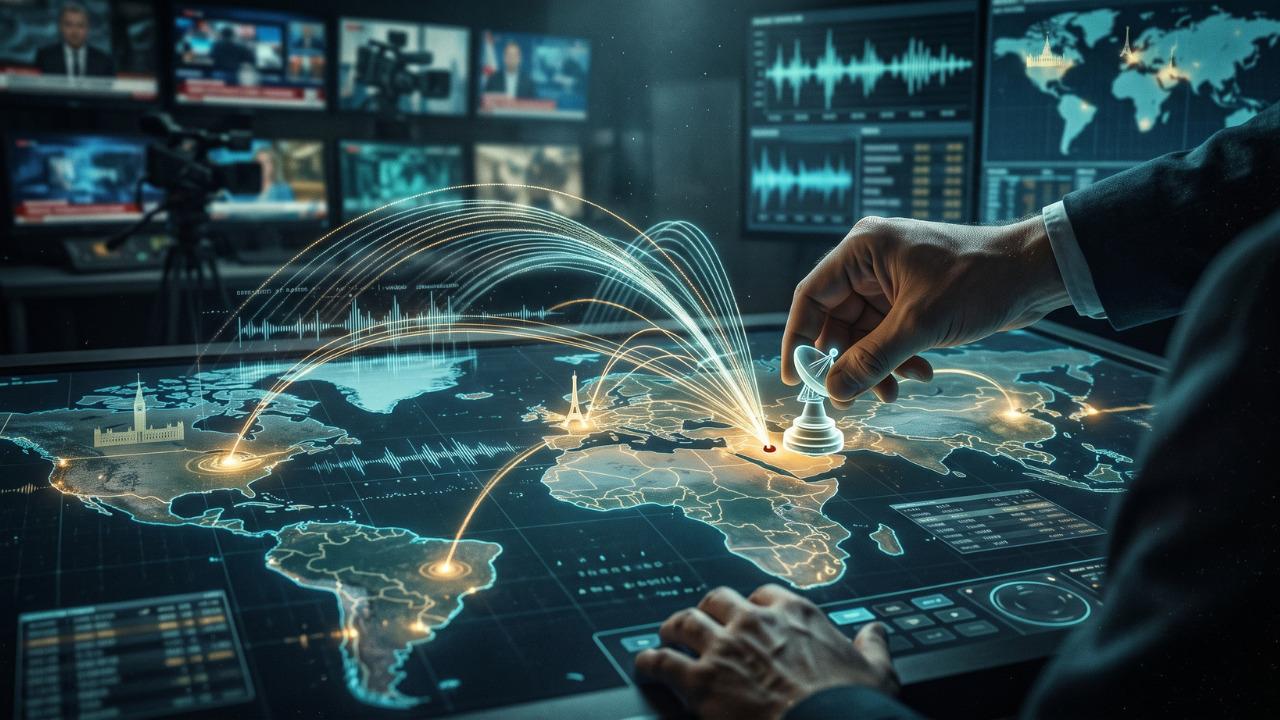

The Influencer Era of Nuclear Awareness

Never Miss an

Daily updates from the heart of Hollywood, right to your inbox
By entering your email and clicking Sign Up, you’re agreeing to let us send you customized marketing messages about us and our advertising partners. You are also agreeing to our Terms of Service and Privacy Policy.
The rise of Isabelle Boemeke is ultimately about more than nuclear energy. It reflects a broader transformation in how society processes complex technological risk. In the age of social media, creators are no longer just entertainers or lifestyle personalities. They are interpreters of reality for millions of people navigating systems they no longer fully trust institutions to explain clearly. And nuclear energy may be the clearest example of that transformation yet. Because in a world shaped by climate anxiety, geopolitical instability, drone warfare, and constant information overload, nuclear awareness is no longer confined to experts and governments. It now lives in feeds, livestreams, comment sections, and viral explainers watched by a generation that understands – perhaps more clearly than anyone expected – both the promise and the danger of the atomic age.
