


From Shock to Stability: Regaining Control of Life After a Car Accident

Dec. 23 2025, Published 2:16 a.m. ET


A car accident can turn a regular day into a nightmare; it not only disrupts the day, but life may feel out of balance for quite some time. Even after the noise fades, the paperwork is done, and you return to your routine, your mind might still be clouded, and the ordinary tasks may feel heavy. The disruption extends beyond damage to a vehicle. It affects your peace of mind, concentration, decision-making, and ability to carry out routine tasks.
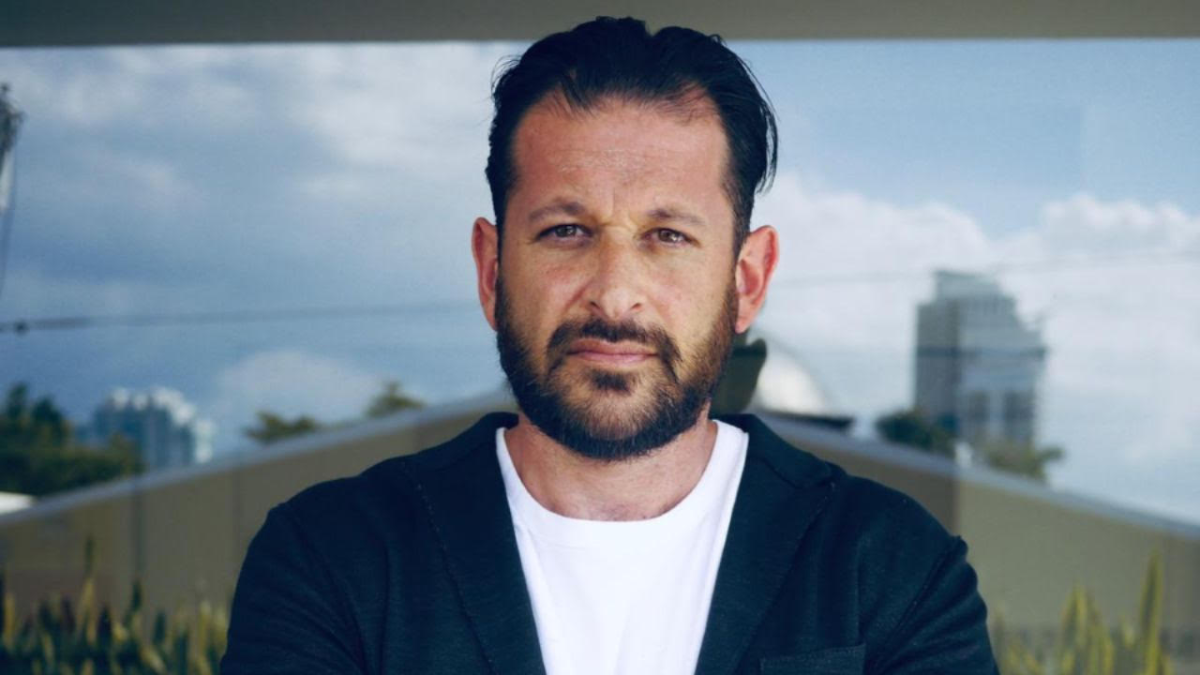
People who work closely with accident survivors, including personal injury attorney Joe Zaid, often see how deeply daily life can be shaken after a crash. Many individuals describe the days that follow as confusing and strangely quiet, as if the world is moving while they stand still. It can take time before normal rhythms return. This blog aims to help you accept that this shift is normal and regain control of your life, one step at a time.
When Everything Feels Out of Order

The first few days after the accident can be full of scattered thoughts, disrupted sleep, stress, or pain in certain body parts, and a constant state of awareness, eventually leading to fatigue. Tasks that used to require no thought, such as driving a familiar route, focusing at work, or sitting in traffic, can trigger anxiety or hesitation. It takes effort and time to gather yourself again.
But this is when you need to remind yourself to slow down instead of pushing too hard. Many people try to force normalcy quickly, worried they are being dramatic or taking too long to recover. In reality, healing rarely follows a tidy schedule. It requires space, not pressure.
Getting Back to Your Routine
Restoring control can’t happen overnight. It comes through small actions that rebuild confidence. Simple structures, such as getting up at the same time each morning, taking short walks, limiting overwhelming responsibilities, and choosing calm over speed, can help. These steps are not about ignoring what happened, but about gently reconnecting with familiar patterns.
There may be days when everything feels manageable, followed by days that feel tangled for no apparent reason. This doesn’t imply that progress has disappeared; it just means you have to keep moving forward for healing to happen.
Meaningful Support Makes a Difference
After an accident, it can feel easier to withdraw rather than explain what is difficult. People sometimes avoid talking about struggles because they do not want to worry others or appear weak. But seeking support doesn’t imply showcasing your weakness. It is, instead, a sign of bravery that you accept what has happened and are willing to move forward.
To start with, you can try opening up to someone in the family, sharing your thoughts with your close friends, or simply staying social. If needed, consider joining support groups or reaching out to a professional counselor for effective and structured support.
Paying Attention to Your Body’s Signals
Tension in the shoulders, headaches, fatigue that arrives suddenly, a jump at loud sounds, or discomfort in traffic are all signals that you mustn’t ignore. According to the Centers for Disease Control and Prevention, recognizing and responding to physical and emotional symptoms following traumatic events is crucial for recovery. Noticing patterns makes it easier to understand what feels safe and what still needs time. For instance, if you still feel jittery with too much traffic on the road, perhaps you can avoid driving for a while. Instead, opt for carpooling to continue with your routine while adjusting gently.
Recognizing Progress, Not Perfection

Progress after a car accident can show up in quiet ways. Completing a workday without losing focus, driving past a difficult intersection without panic, sleeping through the night, and laughing your heart out again are all small victories. These are easy to overlook and may seem normal. However, these are actual signs of progress and must be celebrated to build momentum. Remember that stability in life can be built slowly and steadily if you recognize these small moments of progress and do not just aim for perfection.

Never Miss an

Daily updates from the heart of Hollywood, right to your inbox
By entering your email and clicking Sign Up, you’re agreeing to let us send you customized marketing messages about us and our advertising partners. You are also agreeing to our Terms of Service and Privacy Policy.
Final Thoughts
An accident can shake confidence, routine, and peace of mind. However, this doesn’t impair your ability to rebuild your life and return to your routine. Life may not look exactly the same as before, yet balance can return, often stronger and more intentional.
And while an attorney may handle the complex logistics, including insurance claims, paperwork, and protecting your rights, the deeper work of healing happens in quiet moments. The legal process can safeguard the practical aspects of recovery, but only you can shape the path back to feeling steady, strong, and in control again.
